Cyber Resilience in 2026: Why Traditional Security Stacks are Failing?

By Emran Kamal | Multi-Domain Ethical Hacker & Security Researcher | “Specializing in the security of what can’t afford to fail.”
In 2026, the market is shifting away from “shiny new bugs” toward operational resilience and architectural integrity. The conversation in boardrooms has shifted. We are no longer just fighting hackers; we are fighting automated, agentic AI ecosystems that can probe an entire global infrastructure for a single misconfiguration in seconds.
After conducting on-site and remote security assessments across multiple regions, I’ve noticed a dangerous trend: Companies are running to buy the latest technologies always like “AI-powered” tools, but they are missing the architectural foundation to make them effective.
If your 2026 strategy only focuses on patching CVEs, you are already behind. Here are the four pillars you might be missing:
1. The Death of the Perimeter: Why Identity Is the New Firewall

Figure 1. Why Identity is the new Firewall (generated by Gemini AI)
In 2026, the inside of your network no longer exists. With distributed cloud nodes and a mobile-first workforce, traditional VPNs are becoming liabilities.
- The Missing Piece: A Zero Trust Architecture (ZTA) that treats every request whether from a CEO’s laptop in an airport lounge or a legacy server as hostile until verified.
- Mobile & IoT: The Overlooked “Shadow” Entry Points
2. Mobile & IoT: The Overlooked “Shadow” Entry Points
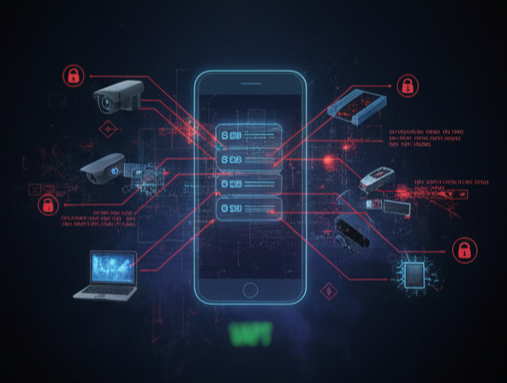
Figure 2. The Overlooked Shadow Entry Point (generated by Gemini AI)
Most VAPT assessments focus on web apps. Meanwhile, your real risk lies in the smart devices and unmanaged APIs connected to your core network.
- The Missing Piece: Mobile Ecosystem Hardening and IoT-specific VAPT. If you aren’t reverse engineering your mobile binaries and auditing your hardware protocols, you have a massive blind spot.
- Security by Design vs. Reactive Patching
3. Security by Design vs. Reactive Patching
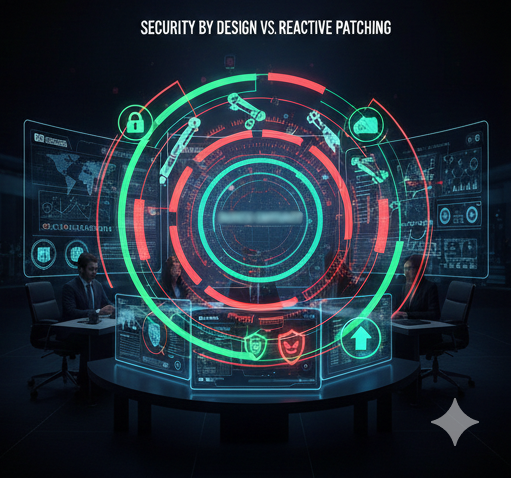
Figure 3. Security by Design vs Reactive Patching (generated by Gemini AI)
Traditional penetration testing is a snapshot in time. But in an era of Cloud Infrastructure, your environment changes every hour.
- The Missing Piece: A Security Architect who integrates compliance and defence into the CI/CD pipeline. We need to stop fixing systems and start designing them to be inherently resilient.
- Detection & Recovery: Architecting for the Inevitable
4. Detection & Recovery: Architecting for the Inevitable

Figure 4. Detection & Recovery (generated by Gemini AI)
In 2026, the differentiator isn’t avoiding a breach, it’s how fast you contain the blast radius and restore trust. If your controls fail silently, a disruption becomes a disaster.
- The Strategic Shift: Moving from reactive response to Resilient Design. This means integrating behavioural analytics, automated containment, and Clean Room recovery as core architectural requirements, not afterthoughts. Even the best-designed systems fail without visibility and recovery.
The Bottom Line: Before investing in another tool in 2026, ask yourself: is your security reactive or resilient by design? Don’t just ask if your systems are hacked ask if they are architecturally sound.
Disclaimer: These insights reflect generalized architectural frameworks and global field experience. Emran Kamal operates on a “Silence First” ethic, strictly adhering to NDAs and prioritizing client confidentiality; no proprietary data or specific vulnerabilities are disclosed herein.